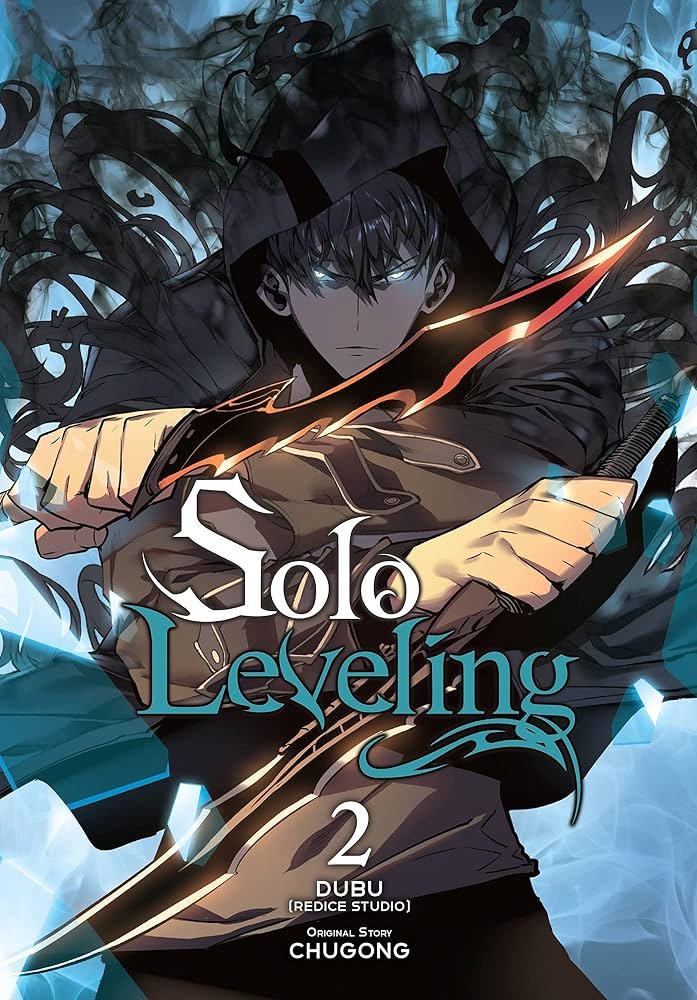
Solo Leveling Season 2, “Arise from the Shadow,” premiered on Crunchyroll on January 4, 2025, continuing Jinwoo’s story after gaining the Shadow Monarch’s power. The season moved through three major arcs: a Red Gate incident forcing Jinwoo to reveal his abilities, a Demon Castle dungeon with standout fight choreography, and a long-anticipated Jeju Island raid.
The season balances escalating action with character-focused storytelling, notably dedicating an episode entirely to Jinwoo’s mother’s recovery and giving previously sidelined characters like Cha Hae-In meaningful roles. A thread involving Jinwoo’s long-absent father adds further depth to his motivation established in Season 1.
I finished the Season 1 finale already knowing where the story goes next, since the manhwa got there years before Crunchyroll did. That’s usually a bad place to watch an adaptation from. You spend the whole runtime waiting for the show to fumble a moment you already know is coming. Solo Leveling Season 2, “Arise from the Shadow,” premiered on Crunchyroll on January 4, 2025, and it’s the rare sequel that made me stop bracing for the fumble by episode two.
Hiding a Superpower Is Its Own Kind of Problem
The season opens on a genuinely fun premise: Jinwoo now has the power of the Shadow Monarch, and no idea how to explain that to anyone. The first stretch of episodes has him trying to function as a normal-ish hunter while very obviously not being one anymore. That tension breaks when a routine C-rank dungeon turns into a Red Gate, trapping him and a group of hunters in a frozen dimension against an army of ice elves led by a commander named Baruka. It’s the first time the show puts side characters in real danger next to Jinwoo instead of around him, and it forces him to stop hiding what he can do.
By episode 4, the Hunter Association has no choice but to retest him. He walks out certified as South Korea’s tenth S-Rank Hunter, and the show wisely doesn’t linger on the ceremony. It cuts straight to what that rank actually opens up for him.
The Demon Castle Arc Is the Season’s Best Stretch
Episodes 5 through 8 send Jinwoo into an S-rank instant dungeon that plays like its own self-contained arc: a demon noble named Esil who isn’t quite an enemy, and a Demon King, Baran, riding a white dragon who very much is. The fight choreography here is the best the franchise has produced, faster and heavier than anything in Season 1, and it earns the escalation instead of just throwing bigger numbers at the screen.
What makes the arc land isn’t the dragon fight, though. It’s what Jinwoo walks out with: a potion that can cure his mother’s Eternal Slumber. Episode 9 spends its entire runtime on the reunion, no combat at all, and it’s a stronger episode for the restraint. After eight episodes of escalating power, the show remembers the actual reason any of this started.

Jeju Island Was Always the Real Test
The Jeju Island raid gets teased at the end of Season 1 and finally pays off across the back half of this season. An S-rank gate opened on the island years earlier, hunters couldn’t clear it, and the Hunter Association sealed the place off while the monsters inside kept getting stronger. Jinwoo initially opts out to stay with his newly recovered mother, which is the right call for his character even if it’s frustrating to watch him sit out. When he finally does show up, the raid escalates into a fight against an Ant King that’s the closest thing this season has to a Season 1 finale-level gut punch.
The raid also does something Season 1 never had room for: it gives its side cast an actual spotlight. Baek Yoonho and a fully realized Cha Hae-In carry most of the arc’s back half while Jinwoo is still absent, and it works specifically because Season 1 gave Cha Hae-In nothing but a cameo. Watching her actually fight, lead, and matter to the plot feels earned rather than sudden.
Cha Hae-In Finally Gets Her Scene, and So Does Jinwoo’s Father
Season 1 planted exactly one flag with Cha Hae-In: an unrelated cameo in the premiere that told you she’d matter eventually. Season 2 cashes that in. Her actual first real interaction with Jinwoo happens here, and it’s worth the wait specifically because the show didn’t rush it.
The other returning thread is Jinwoo’s father, Sung Il-Hwan, who comes back into the story after being gone since before the series started. I won’t spoil how, but it recontextualizes a chunk of Jinwoo’s motivation that Season 1 left as background noise.
If you want a comparison point from outside anime entirely, Fire and Song pulled off the same trick: a sequel that raises the stakes without losing the character work the first book built. That’s the needle Season 2 threads too.
The Music Still Isn’t Just Decoration
LiSA’s opening theme, “ReawakeR,” featuring Felix of Stray Kids, is a legitimately bigger swing than Season 1’s opener, and the ending theme, “UN-APEX” by TK from Ling Tosite Sigure, undersells itself on first listen and then earns a replay by episode 3. Crunchyroll had the January 4 premiere locked in well before the trailer dropped, and the marketing didn’t oversell what the season actually delivers, which is rarer than it should be.
The Verdict
Season 2 is a 9 out of 10. It loses half a point for making Jinwoo sit out a chunk of the Jeju Island raid, understandable though the reason is, and gains almost all of it back with the Demon Castle arc and the mother’s-cure episode, which is the best single episode the franchise has produced so far. If Season 1 was about proving Jinwoo could survive, Season 2 is about proving he has something worth surviving for. The Ant King fight makes clear the story isn’t done raising the stakes either.
